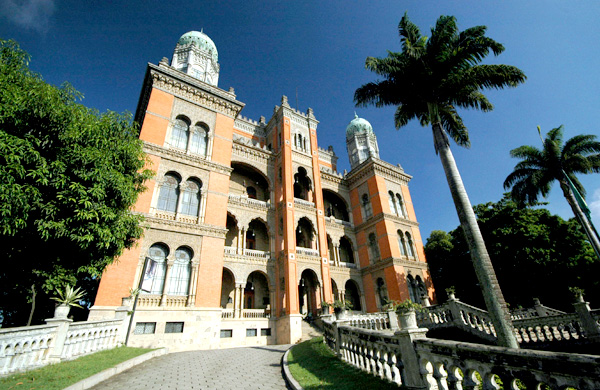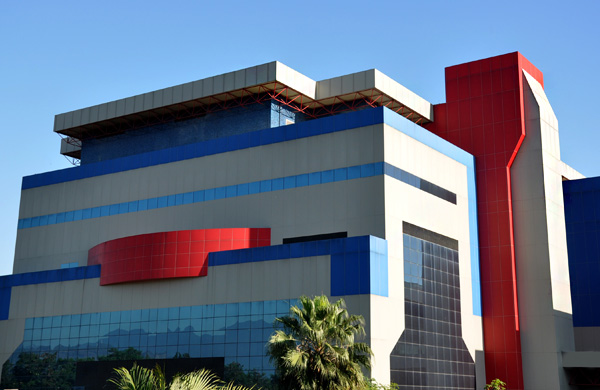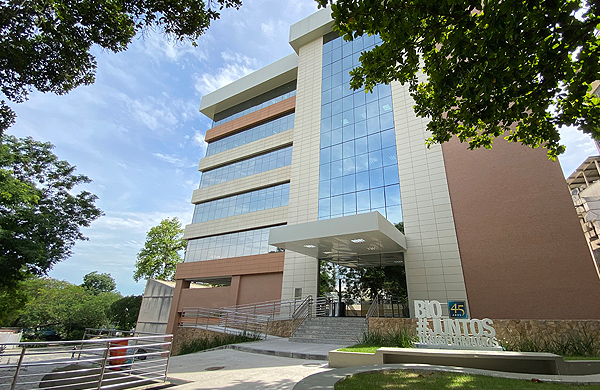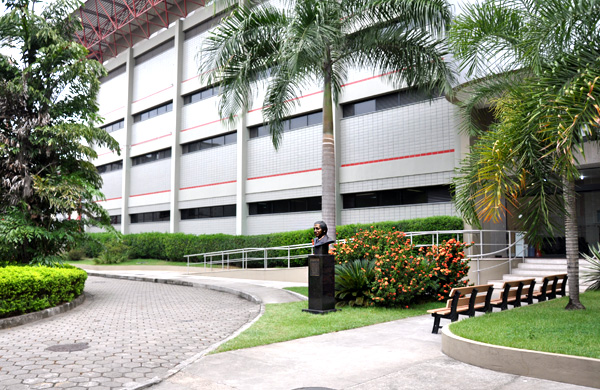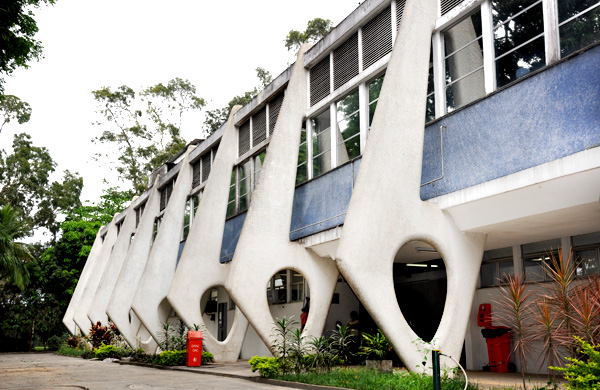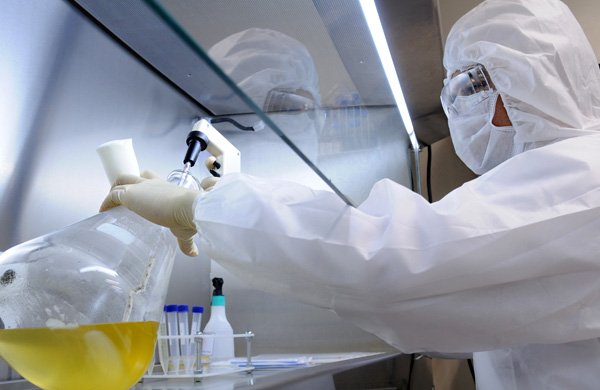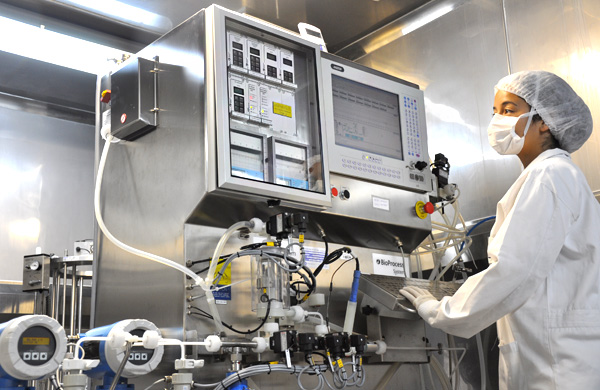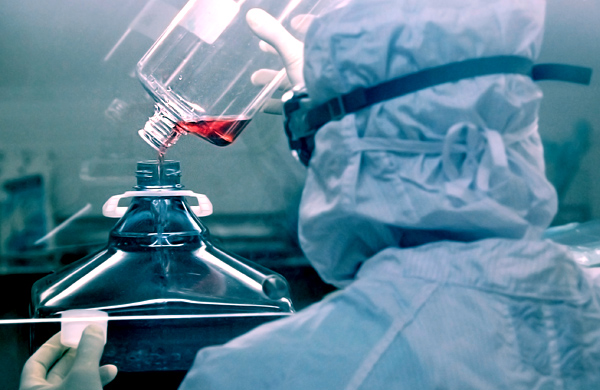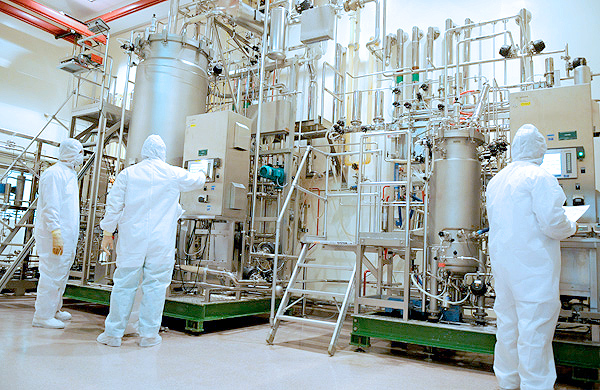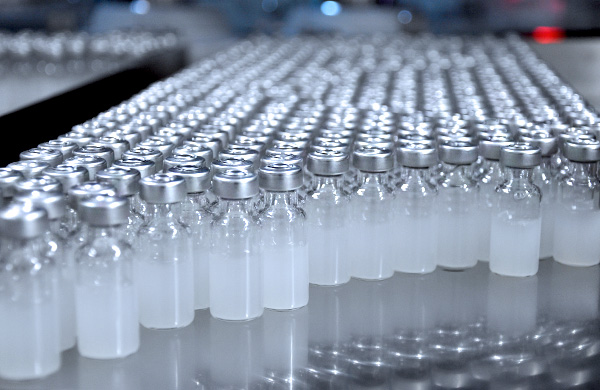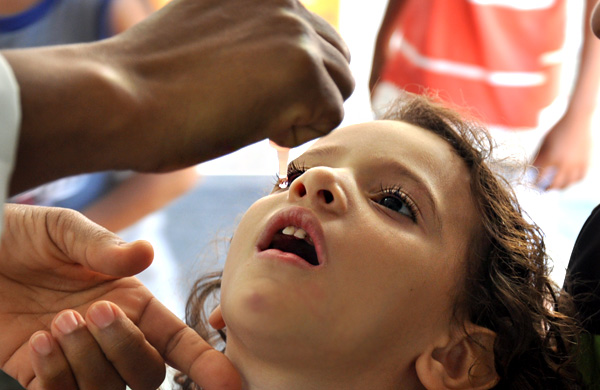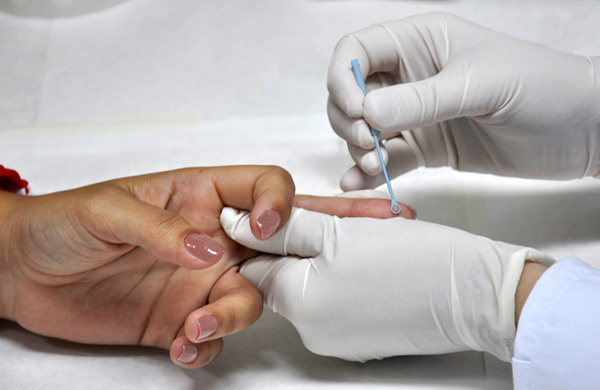


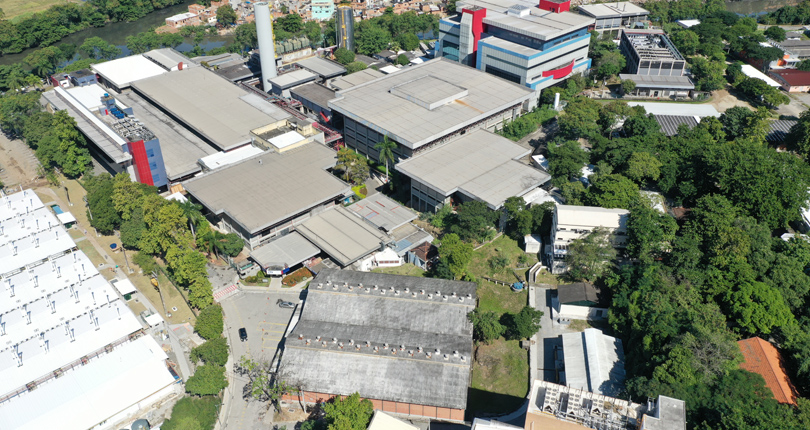
The Institute of Technology on Immunobiologicals (Bio-Manguinhos) is Fiocruz unit responsible for research, innovation, technological development and the production of vaccines, diagnostic kits and biopharmaceuticals primarily aimed at meeting the demands of the Brazilian Public Health System. The Institute's Technological Vaccine Complex, one of the largest production centers in Latin America, installed on Fiocruz campus, guarantees self-sufficiency in essential vaccines for the basic immunization schedule of the Brazilian Ministry of Health.
Founded in 1976, Bio-Manguinhos has an outstanding role in the international scenario. The Institute exports its surplus production to more than 75 countries. Since 2001, Bio-Manguinhos yellow fever vaccine has been pre-qualified by the World Health Organization (WHO) to be supplied to other nations. The joint initiatives are not restricted to the supply of vaccines for international immunization programs, they also encompass the exchange of experiences and information, technical-scientific events, partnerships and cooperation.
Bio-Manguinhos' competences go beyond the production of immunobiologicals. The continuous investment in the innovation chain and in technological development is another brand of the Institute, as well as the mastery of cutting-edge technologies and advanced production processes. Partnerships with other public and private institutions guarantee technology transfer and technological development agreements, contributing to the evolution of its projects. Compliance with the requirements of Good Manufacturing Practices (GMP), besides quality certification of its laboratories, make the Institute an important agent for the improvement of public health in Brazil and Latin America.
With a well-established industrial park and high-skilled professionals, Bio-Manguinhos plays an essential role in the supply of health solutions. Its portfolio has more than 50 products: 9 vaccines, 34 diagnostic kits and 10 biopharmaceuticals. From 2021 to 2025 the Institute provided more than 660 million doses of vaccines to the Brazilian National Immunization Program and UN agencies, besides 40 million vials/syringes/cartridges of biopharmaceuticals and almost 130 million diagnostic tests to other programs of the Brazilian Ministry of Health. Bio-Manguinhos provides the population access to high-tech immunobiologicals and contribute to guaranteeing national self-sufficiency in their production.
To maintain the level of excellence, investment in the expansion and modernization of infrastructure, as well as the acquisition of new equipment, are constant. A new campus, the Technological Complex in Strategic Inputs (CTIE), will be a biofactory in Fiocruz campus in Eusébio (Ceará) with the objective of developing Active Pharmaceutical Ingredients (APIs) in biosimilars and the production of treatments for diseases such as diabetes, rheumatoid arthritis and Crohn's disease. Meanwhile, in Rio de Janeiro, the Technological Complex for Diagnostics will expand the production capacity of diagnostic kits.
The investment also extends to the training of its workforce, through the Professional Master's in Immunobiological Technology (MPTI) and others initiative. In addition to knowledge, the Institute seeks to ensure quality of life through programs that aim physical and mental well-being.
Besides this, since 2008, through Bio-Manguinhos’ Social-Environmental Responsibility Project, around 1,000 young people from neighbouring areas have already been served by the "Growing with Manguinhos" and "Entrepreneur's Workshop" projects, which also include parents and/or guardians. Participants have access to educational workshops, computer and music classes, library, tutoring and comprehensive health actions.
For all of this, around 2,200 employees work at the Institute to keep it as a reference in public health, playing a strategic role for Brazil. Its consolidated position in the market legitimizes its actions and give path to an even more promising future.
 Bio-Manguinhos/Fiocruz: Innovation and Production at the service of Public Health |
  Video
Video
Biosimilars
Bio-Manguinhos has a portfolio of 10 biosimilars for rheumatoid arthritis, psoriasis, Crohn's disease, and different types of cancer, that benefit thousands of patients. Produced from living organisms under highly controlled processes, biosimilars provide the same quality, safety and efficacy at reduced costs.
Biossimilars Safety, Efficacy and Acessibility | Video
mRNA
One of the Covid-19 pandemic's legacies in terms of innovation, Bio-Manguinhos mRNA platform led the Institute to be recognized by the World Health Organization (WHO) as a reference for this type of technology for Latin America. The platform will allow the development of vaccines and advanced therapies.
Fiocruz RNA Platform: Seeding the innovation ecosystem in Latin America | Video
CAR-T
Bio-Manguinhos CAR-T therapy will be the first 100% produced in Latin America. Based on a point-of-care production model, the initiative will drastically reduce costs and expand the access of this cutting-edge treatment through Brazilian Public Health System.
Science that transforms cells into hope | Video